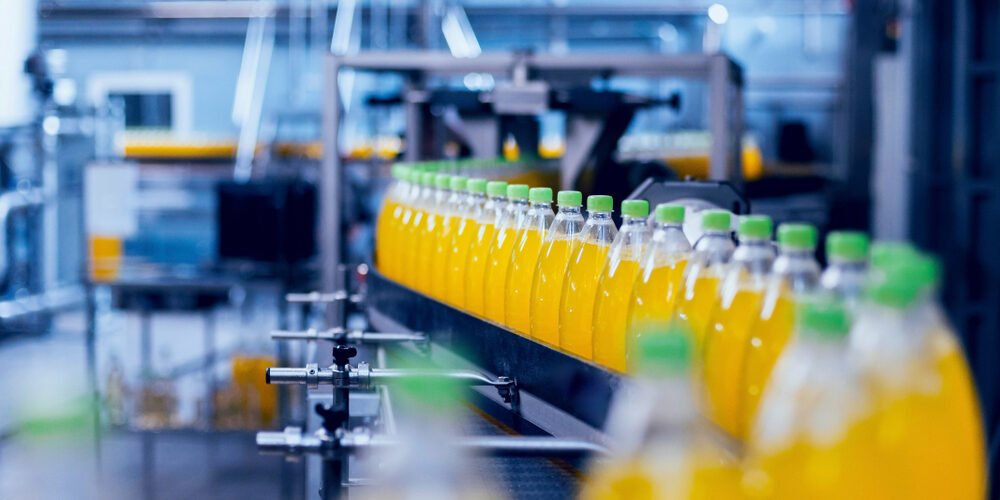
Packaging plays an important role in almost every modern manufacturing industry. From food and beverages to pet products and household goods, businesses need reliable packaging solutions that protect products, improve shelf appeal, and support efficient production. As demand grows, many companies are moving away from manual packaging processes and investing in automated machinery.
For businesses looking for reliable equipment, Pallas is one company that can be considered when exploring packaging machinery and complete production solutions. However, choosing the right machine requires careful planning. The best equipment depends on the product, packaging format, production volume, available space, and long-term business goals.
Whether you are starting a new production line or upgrading an existing facility, understanding the main factors involved can help you make a more informed decision.
Understand Your Product First
The first step in selecting packaging machinery is understanding the product you want to package.
Different products require different handling methods. Dry food, snacks, pet food, powders, liquids, and granular products may all need specialized equipment.
For example, a machine designed for solid products may not be suitable for liquid packaging. Similarly, delicate products may require gentler handling to prevent damage during the packaging process.
Before choosing equipment, consider the physical characteristics of your product. Think about its size, weight, texture, moisture level, and flow properties.
You should also consider whether the product needs protection from air, moisture, light, or contamination. These requirements can influence the type of packaging material and machinery you need.
Starting with the product itself makes it easier to identify the right packaging technology.
Choose the Right Packaging Format
The packaging format is another important consideration.
Modern packaging machinery can support a wide range of formats, including pouches, bags, sachets, and other flexible packaging solutions.
Pouches have become particularly popular in industries such as food and pet food because they can be lightweight, convenient, and visually attractive. They may also help reduce material usage compared with some traditional packaging formats.
However, not every pouch machine is designed for the same application. Businesses should consider the required pouch size, shape, filling volume, sealing method, and material.
If you plan to offer multiple product sizes, it is also useful to check how easily the machine can be adjusted between different packaging formats.
A flexible machine may provide greater value over time, particularly for businesses with changing product lines.
Consider Your Production Volume
Production volume should play a major role in your equipment decision.
A small business with limited output may not need the same level of automation as a large manufacturer producing thousands of packages every hour.
Choosing machinery that is too small for your production requirements can create bottlenecks. Employees may spend more time waiting for packaging operations to finish, which can limit overall productivity.
On the other hand, investing in a machine that is significantly larger than your actual needs may result in unnecessary costs.
Try to estimate your current production volume as well as your expected future demand. This can help you choose equipment that is suitable today while still providing room for business growth.
Look at Automation Levels
Automation can improve efficiency, consistency, and productivity, but the right level depends on your operation.
Some businesses may benefit from semi-automatic machinery that still requires workers to perform certain steps. Others may prefer fully automated systems that handle multiple stages of the packaging process with minimal manual intervention.
Automated equipment can help reduce repetitive labor and improve consistency between packages. It may also make it easier to maintain production speeds during busy periods.
However, automation does not eliminate the need for skilled employees. Operators still need to monitor equipment, perform routine maintenance, manage materials, and respond to technical issues.
The goal should be to find the right balance between automation and human involvement.
Think About Turnkey Packaging Lines
For companies building a new production facility or significantly expanding their operations, a complete packaging line may be more practical than purchasing individual machines separately.
A turnkey packaging solution can bring multiple stages of the production process together. Depending on the application, a complete system may include product feeding, weighing, filling, packaging, sealing, inspection, and other processes.
The major advantage is integration. When equipment is designed to work together, businesses may find it easier to manage the overall production process.
However, turnkey systems require careful planning. The supplier needs to understand the product, production targets, factory layout, packaging materials, and other technical requirements.
Businesses should therefore provide detailed information before requesting a complete solution.
Evaluate Machine Speed
Speed is an important factor, but it should not be considered in isolation.
A machine that operates quickly is not necessarily the best option if it produces inconsistent results or requires frequent downtime.
When evaluating machinery, consider the balance between speed, accuracy, reliability, and product quality.
You should also ask whether the advertised production speed is realistic for your specific product and packaging format. Actual performance can depend on factors such as product characteristics, package size, operator experience, and material quality.
A slightly slower machine that operates consistently may ultimately provide better results than a faster system that frequently stops for adjustments.
Check Accuracy and Consistency
Accurate filling and sealing are particularly important in food and pet food packaging.
Customers expect packages to contain the correct amount of product, while manufacturers need to minimize waste and maintain consistent quality.
Inaccurate filling can result in product loss or packaging that does not meet regulatory requirements. Inconsistent sealing can also affect product freshness and shelf life.
When evaluating machinery, pay attention to the accuracy of filling systems and the reliability of sealing technology.
The right equipment should help maintain consistent package quality throughout the production process.
Consider Packaging Materials
The packaging material you use can affect your machinery requirements.
Flexible packaging may be made from different combinations of films and materials, each with its own characteristics. Some materials may require specific sealing temperatures or handling methods.
Before selecting a machine, make sure it is compatible with your chosen packaging material.
If you plan to change materials in the future, consider whether the equipment can accommodate those changes. A machine with greater flexibility may provide more value over its operating life.
It is also worth considering the availability and cost of packaging materials in your target market.
Pay Attention to Food and Pet Food Safety
Food and pet food manufacturers need to pay close attention to hygiene and safety.
Packaging machinery should be designed in a way that supports appropriate cleaning and maintenance procedures. Components that come into contact with products may need to meet specific hygiene requirements depending on the application.
Businesses should also consider the risk of contamination during the packaging process.
A well-designed system can help reduce unnecessary product handling and create a more controlled production environment.
When selecting equipment, ask suppliers about cleaning procedures, maintenance requirements, and the materials used in product-contact components.
Evaluate Ease of Operation
Modern packaging machines can include advanced controls, but complexity is not always an advantage.
Operators should be able to understand the system and make routine adjustments without unnecessary difficulty.
An intuitive control interface can make training easier and reduce the risk of operating errors. Clear instructions and accessible controls can also help employees respond more quickly when adjustments are needed.
If the machine will be operated by multiple employees, consider how easy it will be to train new staff.
Simple operation can contribute to better productivity and fewer avoidable mistakes.
Think About Maintenance and Spare Parts
Every machine requires maintenance. The difference is how easy that maintenance is to perform and how quickly problems can be resolved.
Before purchasing equipment, ask about routine maintenance schedules and the availability of spare parts.
A machine that remains unused for an extended period because a replacement part is unavailable can create significant production problems.
This is especially important for businesses purchasing machinery from international suppliers. Make sure you understand how technical support and spare parts will be handled after installation.
Reliable after-sales service can be just as important as the initial machine purchase.
Research the Manufacturer
The manufacturer you choose can have a long-term impact on your packaging operation.
When comparing a China Packaging Machine manufacturer or another international supplier, look beyond the initial price.
Consider the company’s experience, technical capabilities, product range, customization options, and after-sales support.
It can also be useful to look at the types of industries the manufacturer serves. A company with experience in food, pet food, or flexible packaging may better understand the challenges associated with those applications.
Ask detailed questions before making a purchase. A professional supplier should be willing to discuss your production requirements and explain which equipment is appropriate for your operation.
Consider Factory Space
The physical layout of your facility can influence the type of packaging machinery you choose.
Large automated systems may require significant floor space, while smaller machines may fit more easily into an existing production area.
Before purchasing equipment, measure the available space and consider how materials and finished products will move through the facility.
You should also leave enough room for operators and maintenance personnel to safely access the machinery.
Planning the layout in advance can prevent expensive changes after installation.
Consider Future Expansion
Your business may look very different several years from now.
If you expect production to increase, consider whether the packaging equipment can support future growth.
Some systems may allow additional equipment or modules to be added later. Others may have limited capacity and require complete replacement when production increases.
Planning for future expansion does not necessarily mean buying the largest machine available. Instead, consider whether the equipment provides enough flexibility to adapt as your business develops.
A scalable packaging system can help reduce the need for major investments later.
Compare Total Cost of Ownership
The purchase price is only one part of the total cost of packaging machinery.
Other expenses may include installation, training, maintenance, electricity, spare parts, packaging materials, and labor.
A machine with a lower initial price may become more expensive over time if it requires frequent maintenance or operates inefficiently.
When comparing options, look at the total cost of ownership rather than focusing only on the initial investment.
This broader approach can help you identify equipment that provides better long-term value.
Request a Detailed Proposal
Once you have identified potential suppliers, ask for detailed proposals.
The proposal should clearly explain what equipment is included, what the machine can produce, expected production capacity, installation requirements, and after-sales support.
If you are purchasing a complete packaging line, make sure every component is clearly identified.
You should also confirm delivery timelines and installation responsibilities before signing an agreement.
Clear documentation helps prevent misunderstandings and ensures that both sides have the same expectations.
Final Thoughts
Choosing the right packaging machine is an important decision that can influence productivity, product quality, operating costs, and future growth. The best solution depends on your specific product, packaging format, production volume, factory space, and business goals.
Start by understanding your product and deciding what type of packaging format best suits your customers. Then evaluate machine speed, accuracy, automation, material compatibility, hygiene, maintenance, and technical support.
For businesses researching packaging machinery from China, Pallas is one manufacturer that can be considered when comparing packaging equipment and potential turnkey solutions.
It is also important to look beyond the machine itself. A successful packaging operation depends on reliable materials, trained operators, proper maintenance, and effective integration between different stages of production.
Whether you are packaging food, pet products, or other consumer goods, taking the time to compare your options can help you avoid costly mistakes. Businesses exploring machinery suppliers can also research pallasmt.com as part of their wider comparison of packaging equipment manufacturers.
Ultimately, the right packaging machine should not simply meet your current production requirements. It should also provide reliable performance, support consistent product quality, and offer enough flexibility to grow alongside your business. With careful research and clear planning, you can select a packaging solution that supports efficient operations for years to come.