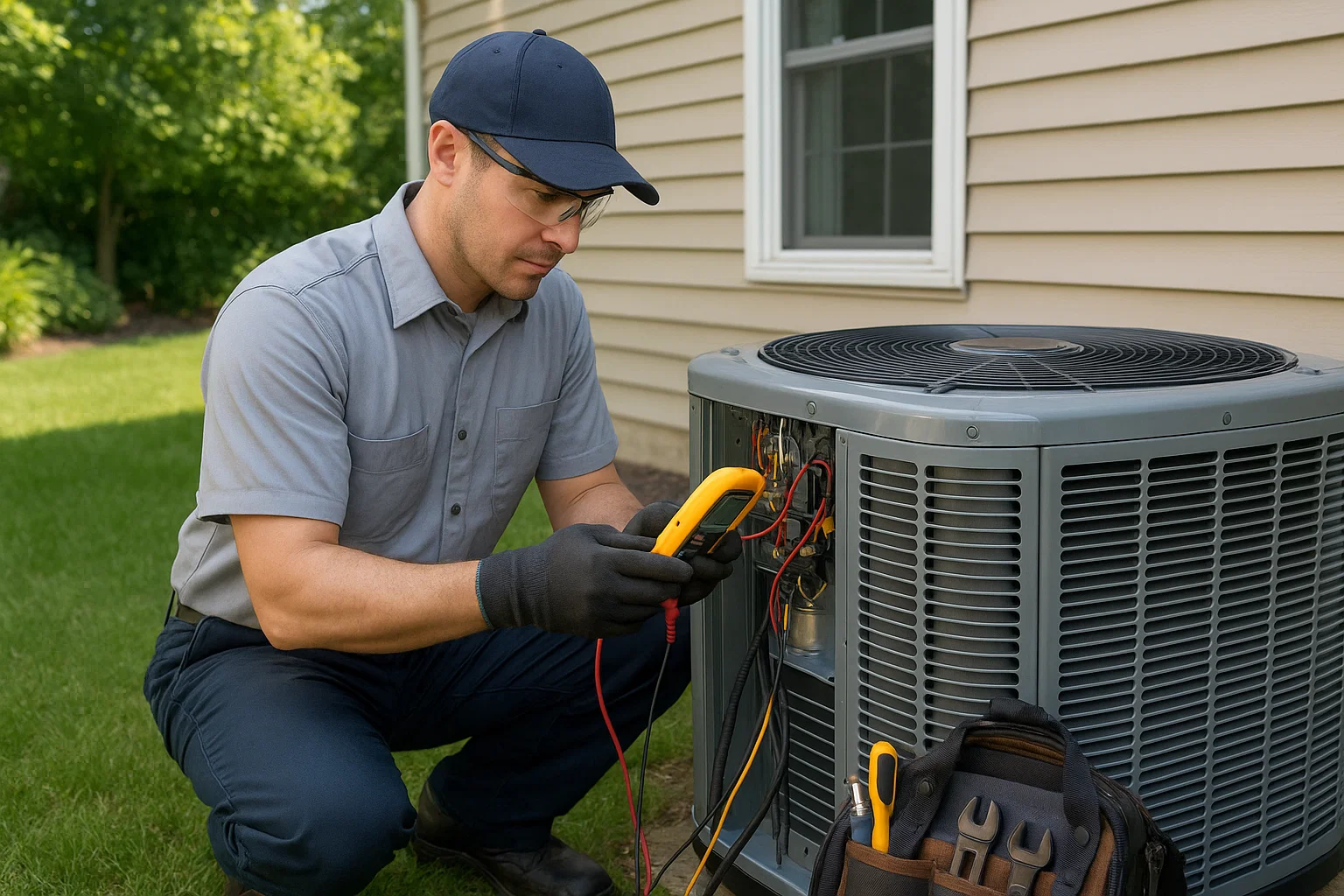
A home can feel uncomfortable even when the HVAC system is not ready for replacement. Warm rooms, cold corners, weak airflow, short cycling, and humidity swings often stem from issues with the system rather than the unit itself. Many homeowners assume discomfort means the equipment is too old or too small, but that can lead to unnecessary spending. An HVAC contractor can inspect airflow, ductwork, controls, insulation gaps, vents, and maintenance conditions before recommending a major change. Small adjustments can often restore better comfort while keeping the current system in service.
Practical Fixes Before Replacement
- Airflow Balance Can Change Everything
Airflow is one of the first areas an HVAC contractor should review when a home feels uneven. A system may be producing enough heated or cooled air, but that air may not be reaching each room correctly. Closed dampers, blocked vents, dirty filters, weak return airflow, and undersized ducts can all cause comfort problems that feel like equipment failure. A contractor can check supply and return paths, measure airflow where needed, and identify rooms that are receiving too much or too little air. Homeowners comparing larger future options may also see Henderson HVAC installation by Semper Fi Heating and Cooling discussed when replacement eventually becomes necessary. Still, many comfort complaints can be improved before reaching that stage. Proper balancing can reduce hot and cold spots, help the system run more steadily, and make daily indoor conditions feel more consistent.
- Duct Repairs Improve Room Performance
Ductwork has a major effect on comfort because it carries conditioned air through the home. If ducts are leaking, crushed, disconnected, poorly sealed, or running through hot attic spaces without enough protection, the HVAC system may lose comfort power before air reaches the rooms. An HVAC contractor can inspect accessible duct sections, seal gaps, repair loose connections, and identify layout problems that reduce airflow. This can make a noticeable difference in bedrooms, upstairs spaces, additions, and rooms far from the main unit. Ductwork also helps reduce energy use because the system does not have to run as long to overcome the effects of wasted air. In many homes, improving ductwork yields better results than setting the thermostat lower or higher. The equipment may already be capable, but the delivery system needs attention before comfort can feel stable.
- Thermostat Placement Affects Daily Comfort
A thermostat controls system behavior, so its location matters more than many homeowners realize. If it sits near sunlight, a kitchen, a hallway draft, an exterior wall, or a rarely used area, it may read conditions that do not represent the rest of the home. That can cause the system to shut off too soon, run too long, or leave certain rooms uncomfortable. An HVAC contractor can review thermostat placement, wiring, calibration, and programming to ensure the system responds to real-world living conditions. In some cases, a smart thermostat, remote sensor, or adjusted schedule can improve comfort without touching the main unit. This is especially useful for homes with changing occupancy patterns, upstairs sleeping areas, or rooms that heat up at different times of day. Better control helps the current system operate with more accuracy.
- Maintenance Restores Lost Performance
A neglected HVAC system often performs below its real ability. Dirty coils, clogged filters, weak capacitors, worn belts, dusty blower wheels, and blocked drain lines can all reduce comfort before a full breakdown occurs. An HVAC contractor can clean, test, tighten, and adjust key parts to help the system move air and transfer heat more effectively. This does not make an old system new, but it can restore performance lost over time. Maintenance also helps reveal whether comfort problems are caused by simple wear or deeper design issues. When the system is cleaned and checked, homeowners get a clearer picture of what the equipment can still do. This prevents rushed replacement decisions and often reduces noise, uneven cycling, and weak airflow. Regular care can make the home feel better while extending useful operation.
- Humidity Control Needs Attention
Comfort is not only about temperature. A home can feel sticky, stale, or heavy even when the thermostat shows the right number. High humidity can make cooling feel weak, while dry air can make the heating season uncomfortable. An HVAC contractor can review whether the system is cycling too quickly, whether airflow is too high or too low, and whether drainage is working correctly. Short cycling can prevent an air conditioner from removing enough moisture, especially during humid weather. The contractor may suggest control adjustments, improved airflow, duct sealing, or humidity equipment, depending on the home’s conditions. Managing moisture also helps protect indoor air quality and building materials. When humidity is properly controlled, homeowners may feel comfortable with a more moderate thermostat setting, reducing strain on the system without sacrificing indoor comfort.
Small Adjustments Can Restore Comfort
Improving comfort does not always require replacing the HVAC system. A contractor can often make meaningful gains by correcting airflow, sealing ducts, adjusting controls, improving maintenance, and addressing humidity. These changes help the current equipment serve the home more evenly and reduce the frustration of rooms that never feel right. Replacement may still be needed when equipment is failing or poorly matched, but it should not be the first assumption. A careful system review gives homeowners better direction, protects the budget, and helps the home feel more balanced throughout the year.